
Jaguar Catfish
Liosomadoras oncinus
Freshwater Fish
Species Group: Catfish
Family: Auchenipteridae
Log in or create an account to add this species to your tanks.
Water parameters
Water parameters are being added.
About Jaguar Catfish
General information
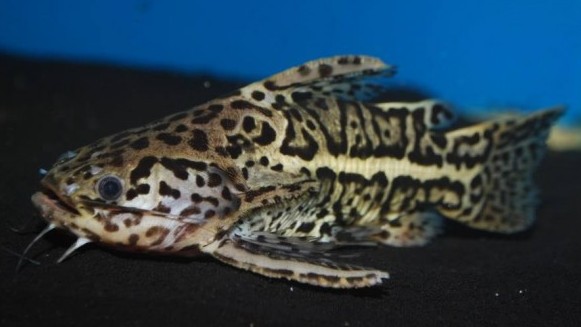
Liosomadoras oncinus is a freshwater catfish species that is native to the Amazon and Orinoco River basins in South America. It has a distinctive pattern of black spots on a light brownish-yellow background, resembling the spots on a jaguar, hence the common name Jaguar Catfish.
Diet & nutrition
In the wild, Liosomadoras oncinus feeds on a variety of small fish, crustaceans, and aquatic invertebrates. In captivity, they can be fed a diet of live or frozen foods such as bloodworms, brine shrimp, and small pieces of fish. They may also accept pellet and flake foods.
Determining sex
Sexual dimorphism in Liosomadoras oncinus is not well-known, but males may have more elongated and pointed genital papillae compared to females.
Breeding & spawning
Breeding and spawning of Liosomadoras oncinus is not well-documented in captivity. They are reported to breed in the wild during the rainy season.
Diseases
Liosomadoras oncinus may be susceptible to various diseases that affect freshwater fish, such as bacterial infections, parasitic infections, and fungal infections. Common symptoms of disease may include loss of appetite, lethargy, abnormal swimming behavior, and visible signs of disease such as lesions or discoloration.
Origination
Liosomadoras oncinus is native to the Amazon and Orinoco River basins in South America.
Cautions
Liosomadoras oncinus is a predatory species that can be aggressive towards smaller fish, and may require a larger aquarium with plenty of hiding places and adequate filtration. It is important to monitor their feeding and behavior to ensure that they are not causing harm to other fish in the aquarium.
Acclimation process
When introducing Liosomadoras oncinus to a new aquarium, it is important to acclimate them slowly to prevent stress and shock. This can be done by gradually adding small amounts of water from the aquarium to the transport bag over a period of several hours, before finally releasing the fish into the aquarium.
All photos
Tap a photo to open the gallery viewer.