
Sun Catfish
Horabagrus brachysoma
Freshwater Fish
Species Group: Catfish
Family: Bagridae
Log in or create an account to add this species to your tanks.
Water parameters
Water parameters are being added.
About Sun Catfish
General information
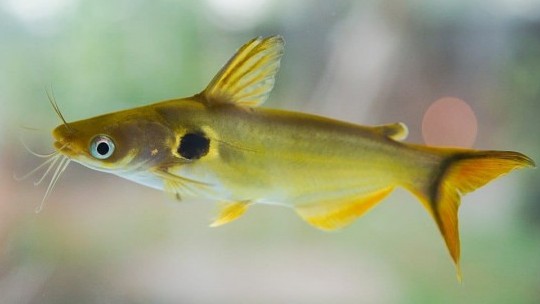
The Sun Catfish is a freshwater catfish species native to India. This species has a relatively short and stocky body, with males typically growing larger than females. The average size of this species is around 10 inches in length, but some individuals can grow up to 16 inches in length. Sun Catfish are known for their distinctive sunburst-like markings on their body, which are most prominent in juveniles and tend to fade as the fish mature.
Diet & nutrition
In the wild, Sun Catfish are opportunistic feeders and will consume a variety of food sources including insects, crustaceans, and small fish. In captivity, they can be fed a varied diet consisting of pellets, frozen or live food such as bloodworms, shrimp, and small pieces of fish. It is recommended to feed adult Sun Catfish once or twice a day.
Determining sex
Sexing Sun Catfish can be challenging as there are no obvious external differences between males and females. However, females tend to have a rounder belly, while males may develop a broader head and thicker pectoral fins.
Breeding & spawning
There is limited information available about breeding Sun Catfish in captivity. In their natural habitat, Sun Catfish are known to breed during the monsoon season. Breeding may be induced by changes in water temperature or the introduction of live food.
Diseases
Sun Catfish are generally hardy and not prone to any specific diseases. However, they may be susceptible to common fish diseases such as ich, fin rot, and bacterial infections. Maintaining good water quality and providing a balanced diet can help prevent diseases.
Origination
The Sun Catfish is native to India, where it can be found in slow-moving rivers, canals, and ponds.
Cautions
The Sun Catfish is not known to be aggressive, but it has sharp spines on its dorsal and pectoral fins that can cause injury. Care should be taken when handling this species, and it is recommended to use a net rather than attempting to catch them by hand.
Acclimation process
When introducing Sun Catfish to a new aquarium, it is important to acclimate them slowly to avoid stress and shock. The drip acclimation method is recommended, where the fish are gradually introduced to the water parameters in their new environment over the course of several hours.
All photos
Tap a photo to open the gallery viewer.