
Stinging Catfish
Heteropneustes fossilis
Freshwater Fish
Species Group: Catfish
Family: Heteropneustidae
Log in or create an account to add this species to your tanks.
Water parameters
Water parameters are being added.
About Stinging Catfish
General information
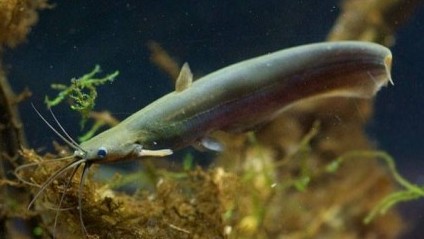
Stinging catfish are a freshwater catfish species found in the rivers and lakes of Asia, including India, Bangladesh, and Pakistan. They have a slender and elongated body shape with a brownish-black coloration and can grow up to 18 inches in length. Stinging catfish are known for their ability to produce mild venom from their pectoral and dorsal spines, which can cause swelling and pain if they are handled improperly. They are a hardy and adaptable species that can tolerate a wide range of water parameters and can be kept in aquariums.
Diet & nutrition
Stinging catfish are omnivores and will eat a variety of foods, including live and frozen foods such as bloodworms, brine shrimp, and daphnia, as well as prepared fish foods like pellets and flakes. They are also known to consume small fish and insects.
Determining sex
There are no noticeable differences between male and female stinging catfish, making it difficult to determine their sex.
Breeding & spawning
Breeding stinging catfish in captivity is challenging, and little is known about their reproductive behavior in the wild. There have been a few successful breeding attempts in aquariums, but it is still relatively rare.
Diseases
Stinging catfish are generally hardy and not prone to many diseases if kept in clean and well-maintained water conditions. However, they may be susceptible to common freshwater fish diseases such as ich and bacterial infections.
Origination
Stinging catfish are native to the rivers and lakes of Asia, including India, Bangladesh, and Pakistan.
Cautions
As their name suggests, stinging catfish can produce mild venom from their pectoral and dorsal spines. Care should be taken when handling them, and they should not be kept with smaller fish species.
Acclimation process
Stinging catfish should be acclimated slowly to the aquarium water to prevent shock and stress. The process can take several hours, during which time the fish should be gradually introduced to the new water parameters.
All photos
Tap a photo to open the gallery viewer.