
Flagtail Prochilodus
Semaprochilodus taeniurus
Freshwater Fish
Species Group: Prochilodus
Family: Prochilodontidae
Log in or create an account to add this species to your tanks.
Water parameters
Water parameters are being added.
About Flagtail Prochilodus
General information
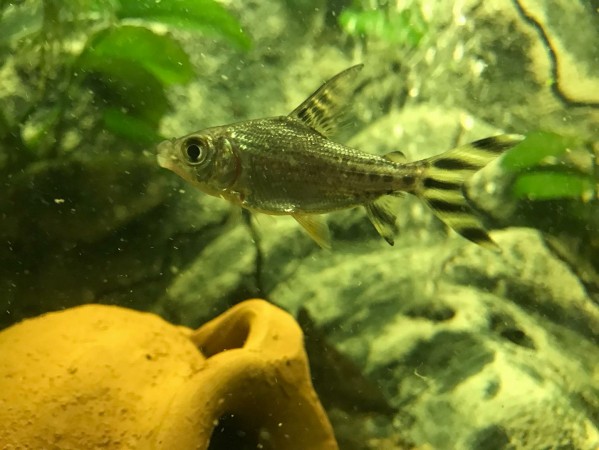
The Flagtail Prochilodus is a freshwater species that belongs to the family Prochilodontidae. It is a large fish species that can grow up to 18 inches (45 cm) in length. This species is known for its streamlined and elongated body shape. The Flagtail Prochilodus is found in rivers and tributaries throughout South America, including the Amazon River basin.
Diet & nutrition
The Flagtail Prochilodus is an herbivorous species, feeding mainly on algae and plant matter. They have a unique set of teeth that allows them to scrape algae off of surfaces.
Determining sex
Determining the sex of the Flagtail Prochilodus can be challenging as there are no noticeable physical differences between males and females. However, during spawning season, males may develop small bumps or tubercles on their head and pectoral fins.
Breeding & spawning
The Flagtail Prochilodus is known to migrate long distances to spawn in the upstream reaches of rivers. During spawning, females can lay up to 5000 eggs on rocks or logs. The eggs are guarded by both parents until they hatch in 2-3 days.
Diseases
The Flagtail Prochilodus is susceptible to common freshwater fish diseases such as Ich and fin rot. Ensuring good water quality and a healthy diet can help prevent disease outbreaks.
Origination
The Flagtail Prochilodus is native to South America, specifically the Amazon River basin.
Cautions
The Flagtail Prochilodus is a peaceful species that can be kept with other peaceful fish species. However, due to its large size, it requires a spacious aquarium to thrive.
Acclimation process
When introducing the Flagtail Prochilodus to a new aquarium, it is important to acclimate it slowly to prevent stress and disease. The drip acclimation method is recommended, where the fish is slowly introduced to the new water parameters over several hours.
All photos
Tap a photo to open the gallery viewer.