
Yellow Tiger Endlers
Poecilia wingei
Freshwater Fish
Species Group: Endlers
Family: Poeciliidae
Log in or create an account to add this species to your tanks.
Water parameters
Water parameters are being added.
About Yellow Tiger Endlers
General information
Yellow Tiger Endlers, scientifically known as Poecilia wingei, are a small freshwater fish that belong to the family Poeciliidae. They are a popular aquarium fish due to their bright coloration and active swimming behavior.
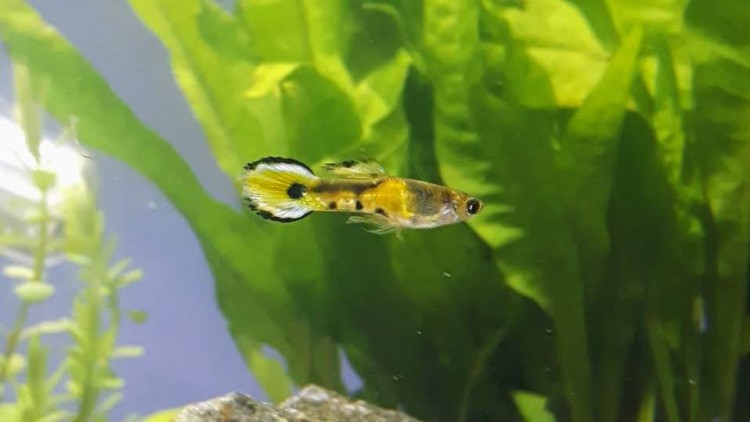
Yellow Tiger Endlers are small in size, growing up to 2.5 cm (1 inch) in length. They have a slender body with a rounded belly and a pointed snout. The males are more brightly colored than females and have a distinctive black vertical stripe that runs along their body. They also have a brightly colored tail with a striking pattern of black and yellow stripes. Females are less brightly colored and have a more rounded belly.
Yellow Tiger Endlers are an active species and prefer to live in groups of 5-6 or more. They are peaceful and can be kept with other small, non-aggressive fish in a community aquarium. They prefer a planted aquarium with plenty of hiding places, and a sandy substrate is recommended. They are native to the freshwater streams and ponds of Venezuela and are adapted to living in warm water temperatures ranging from 24-28°C (75-82°F).
Diet & nutrition
Yellow Tiger Endlers are omnivorous and will accept a variety of foods including flakes, pellets, frozen and live foods. It is important to feed them a balanced diet to maintain their health and vibrant coloration.
Breeding & spawning
Yellow Tiger Endlers are livebearers, which means that females give birth to live young instead of laying eggs. They are easy to breed and can produce offspring in as little as four weeks after birth. Males are known for their elaborate courtship behavior, in which they display their colorful tails and perform mating dances to attract females. Females can give birth to up to 20-30 fry at a time and can continue to reproduce every 4-6 weeks.

All photos

Tap a photo to open the gallery viewer.