
Platinum Mosaic Guppy
Poecilia reticulata
Freshwater Fish
Species Group: Fancy Guppies
Family: Poeciliidae
Log in or create an account to add this species to your tanks.
Water parameters
Water parameters are being added.
About Platinum Mosaic Guppy
General information
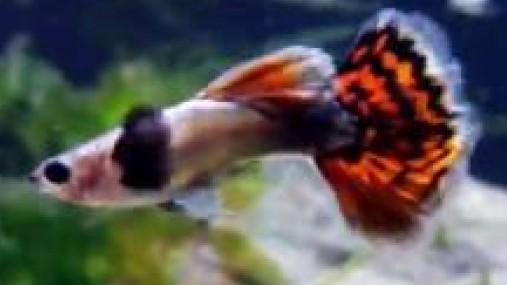
The Platinum Mosaic Guppy is a freshwater fish and a popular choice for aquarium enthusiasts due to its striking appearance. It is a relatively small fish, with males reaching a maximum size of about 4 centimeters and females reaching about 6 centimeters. They are peaceful and social fish that thrive in groups of at least 5 or 6. They are easy to care for and are a great option for beginner fish keepers.
Diet & nutrition
The Platinum Mosaic Guppy is an omnivorous species that will eat a variety of foods. They will readily accept commercial flake or pellet foods, as well as live or frozen foods such as brine shrimp, bloodworms, and daphnia. It is important to feed them a varied diet to ensure they receive all the necessary nutrients.
Determining sex
Males are smaller and more colorful than females, with larger and more elaborate fins. The males have a gonopodium, a modified anal fin used for reproduction, while females have a fan-shaped anal fin.
Breeding & spawning
The Platinum Mosaic Guppy is a livebearer, meaning that females give birth to live young rather than laying eggs. Breeding is relatively easy and can occur in a community tank, although a separate breeding tank is recommended to increase the survival rate of the fry. The gestation period is approximately 28 days, and females can give birth to up to 100 fry at a time.
Diseases
Like all fish, the Platinum Mosaic Guppy is susceptible to certain diseases such as fin rot, ich, and swim bladder disease. These diseases can be prevented by maintaining a clean aquarium and monitoring water parameters.
Origination
The Platinum Mosaic Guppy is a selectively bred variation of the common guppy, which is native to northeastern South America, specifically Guyana, Brazil, and Trinidad and Tobago.
Cautions
The Platinum Mosaic Guppy is generally a hardy and peaceful fish, but it should not be kept with aggressive or fin-nipping species. It is also important to maintain good water quality, as poor water conditions can lead to disease.
Acclimation process
When introducing the Platinum Mosaic Guppy to a new aquarium, it is important to acclimate them slowly to prevent shock or stress. Float the bag containing the fish in the aquarium for about 15-20 minutes to allow the temperature to equalize. Then, gradually add small amounts of aquarium water to the bag over the course of about an hour before releasing the fish into the aquarium.
All photos
Tap a photo to open the gallery viewer.