
Redtail Catfish
Phractocephalus hemioliopterus
Freshwater Fish
Species Group: Catfish
Family: Pimelodidae
Log in or create an account to add this species to your tanks.
Water parameters
Water parameters are being added.
About Redtail Catfish
General information
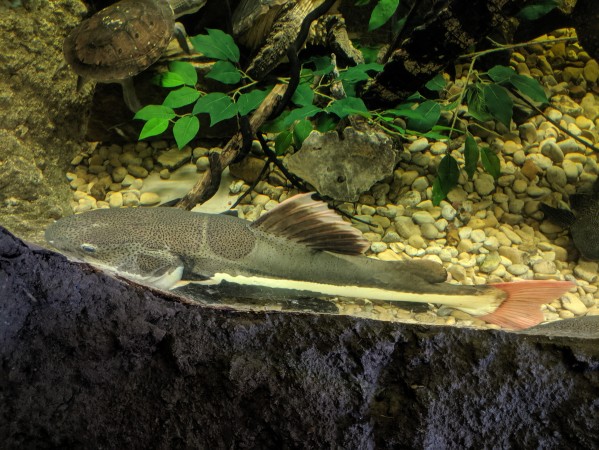
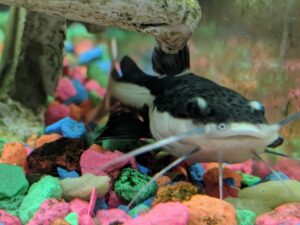
The Redtail Catfish is a large freshwater fish that can grow up to 4 feet in length and weigh over 100 pounds in the wild. In the aquarium, they can reach around 2-3 feet in length. They are known for their distinctive red tail, which stands out against their silver body.
Diet & nutrition
Redtail Catfish are omnivorous and will eat a variety of foods including pellets, flakes, live and frozen foods such as shrimp, crayfish, and worms. They have a large appetite and can eat a lot, so feeding them twice a day in smaller portions is recommended.
Determining sex
It is difficult to distinguish the sex of Redtail Catfish visually. Males can sometimes be slightly larger and have a more muscular build, while females may have a rounder belly.
Breeding & spawning
Redtail Catfish have not been successfully bred in captivity, and little is known about their reproduction in the wild.
Diseases
Redtail Catfish are generally hardy, but they can be susceptible to diseases such as ich and fin rot if water quality is poor. It is important to maintain clean water conditions and avoid overfeeding to prevent health problems.
Origination
Redtail Catfish are native to the Amazon River basin in South America.
Cautions
Redtail Catfish can grow very large, so they require a large aquarium or pond. They are also predatory fish and can eat smaller fish and invertebrates, so it is important to keep them with suitable tankmates. Additionally, their sharp teeth can cause injury if mishandled, so care should be taken when handling them.
Acclimation process
When introducing a Redtail Catfish to a new aquarium, it is important to acclimate them slowly to prevent stress and health issues. Float the bag containing the fish in the aquarium for about 15-20 minutes to equalize the temperature, then open the bag and gradually add small amounts of aquarium water to the bag over the course of an hour. After this process is complete, carefully net the fish and release it into the aquarium.
All photos
Tap a photo to open the gallery viewer.