
Tri Colored Koi
Cyprinus carpio
Freshwater Fish
Species Group: Koi Fish
Family: Cyprinidae
Log in or create an account to add this species to your tanks.
Water parameters
Water parameters are being added.
About Tri Colored Koi
General information
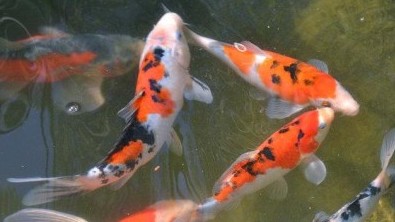
The Tri Colored Koi, also known as Sanke, is a popular variety of the common carp species (Cyprinus carpio) and is highly prized by koi enthusiasts worldwide. This variety is named after its three colors: white, red, and black.
The Sanke variety of koi can grow up to 2 to 3 feet (60 to 90 cm) in length and weigh up to 20 pounds (9 kg). They have a round, robust body shape and a pointed head with a distinctive pattern of red and black on a white background. The coloring and pattern of Sanke can vary depending on their breeding and environmental factors.
Diet & nutrition
Sanke koi are omnivorous and require a varied diet consisting of both plant-based and protein-based foods. They can be fed pellets, flakes, frozen or live foods such as bloodworms, brine shrimp, and krill. Overfeeding should be avoided as it can cause health problems such as obesity and poor water quality.
Determining sex
The sex of Sanke koi can be determined by examining the vent area. Males have a concave vent while females have a convex vent.
Breeding & spawning
Breeding Sanke koi requires specialized breeding techniques and knowledge. They typically spawn in the spring when water temperatures rise above 68°F (20°C). During the spawning process, the female lays eggs and the male fertilizes them externally. The fertilized eggs will hatch within a week, and the fry will be free-swimming within a few days.
Diseases
Sanke koi are susceptible to various diseases, including bacterial infections, fungal infections, and parasitic infestations. Poor water quality and stress can weaken their immune system, making them more vulnerable to diseases. It is important to maintain good water quality and monitor their health regularly.
Origination
Sanke koi were first bred in Japan in the early 1900s. Today, they are bred and raised in many countries worldwide, including the United States, Israel, and Indonesia.
Cautions
Sanke koi are generally peaceful and can coexist with other koi and fish species. However, they may become aggressive during feeding and may nip at the fins of slower-moving fish. They should be housed in a large aquarium or pond with appropriate filtration and water quality.
Acclimation process
When introducing Sanke koi to a new aquarium or pond, they should be acclimated slowly to prevent shock and stress. This can be done by floating the bag containing the fish in the aquarium or pond water for at least 30 minutes to allow the temperature to equalize. Gradually add small amounts of aquarium or pond water to the bag every 10-15 minutes to acclimate the fish to the new water conditions.
All photos
Tap a photo to open the gallery viewer.