
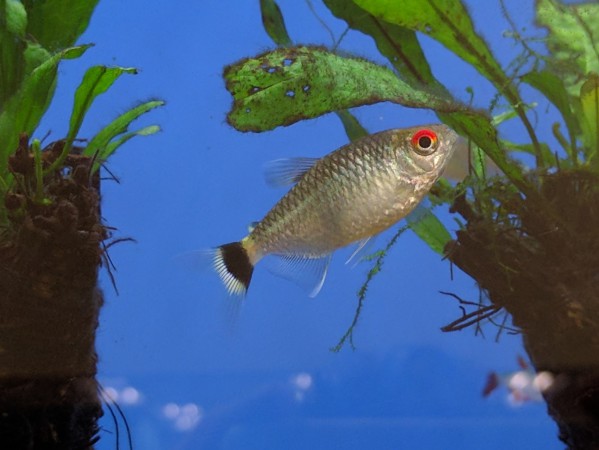
Red Eye Tetra
Moenkhausia sanctaefilomene
Freshwater Fish
Species Group: Tetras
Family: Characidae
Log in or create an account to add this species to your tanks.
Water parameters
Water parameters are being added.
About Red Eye Tetra
General information
The Red Eye Tetra is a peaceful species that can grow up to 2 inches in length. They are best kept in groups of six or more in a tank that is at least 20 gallons in size. They are native to South America and can be found in rivers and streams. In captivity, they can live up to 5 years.
Diet & nutrition
In the wild, Red Eye Tetras feed on small insects and crustaceans. In captivity, they can be fed a varied diet consisting of high-quality flake food, frozen or live brine shrimp, bloodworms, and small pellets.
Determining sex
Males tend to be slimmer and more colorful than females, especially during breeding season when they develop brighter colors.
Breeding & spawning
Red Eye Tetras are egg-layers that can be bred in captivity. A breeding pair should be conditioned with a high-quality diet, and a separate breeding tank with live plants and low lighting should be set up. The female will lay adhesive eggs on the plants, and the male will fertilize them. After spawning, the parents should be removed from the breeding tank to prevent them from eating the eggs.
Diseases
Red Eye Tetras are relatively hardy and not prone to many diseases. However, they can be susceptible to ich, fin rot, and other common aquarium diseases. Maintaining good water quality and avoiding overcrowding can help prevent disease.
Origination
The Red Eye Tetra is native to South America, specifically the Amazon River basin.
Cautions
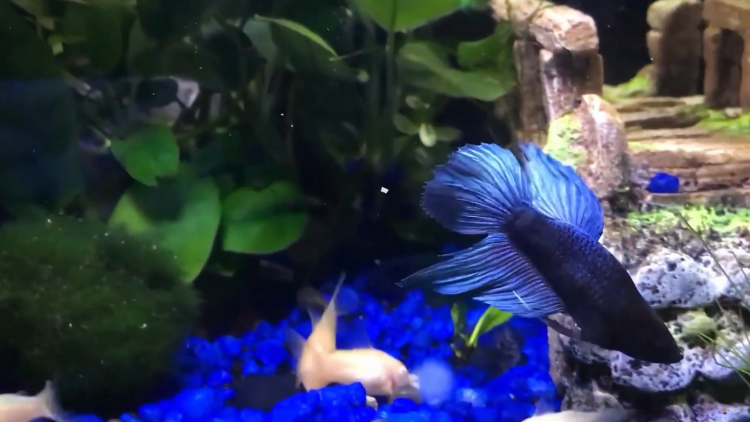
The Red Eye Tetra is a peaceful species and can be kept with other small, peaceful fish. However, they may nip at the fins of long-finned fish such as Bettas.
Acclimation process
When introducing Red Eye Tetras to a new aquarium, they should be acclimated slowly over a period of about an hour. This can be done by floating the bag in the aquarium to equalize the temperature and gradually adding small amounts of aquarium water to the bag.
All photos
Tap a photo to open the gallery viewer.