
Ingens Seahorse
Hippocampus ingens
Saltwater Fish
Species Group: Seahorse
Family: Syngnathidae
Log in or create an account to add this species to your tanks.
Water parameters
Temp
76-80 F
Temperature
Maintaining a stable and appropriate temperature is critical for the survival of aquatic life.
pH 7.8 - 8.4 potential of HydrogenMeasuring the acidity or alkalinity of water on a 0–14 scale, where 7 is neutral, 7 is alkaline.
NO3 1-20 ppm NitrateWhile less toxic than ammonia, high nitrate levels (above 40–80 ppm) are important to monitor because they can cause fish stress, stunted growth, and harmful algae blooms.
NO2 <0.0001 ppm NitriteIt is a highly toxic, intermediate compound in the nitrogen cycle produced from broken-down ammonia
PO4 0.01 - 0.1 ppm PhosphateIt is essential for plant development but must be managed, as excess levels trigger nuisance algae blooms and inhibit coral calcification.
NH3 <0.1 ppm AmmoniaIt is the primary killer of aquarium fish, causing gill damage, stress, and death
Ca 380 - 450 ppm CalciumSupporting the growth, skeletal structure, and shell formation of corals, mollusks, crustaceans, and coralline algae
KH 8 - 12 dKH AlkalinityIt acts as a shield, neutralizing acids to prevent dangerous pH "crashes" that can harm fish, corals, and plants.
Mg 1200 - 1400 ppm MagnesiumIt enables coral growth by supporting skeletal formation, assists in metabolic processes, and ensures that calcium is available for corals, clams, and coralline algae.
SG 1.023 - 1.026 SG SalinityEssential for maintaining stable, natural water parameters, proper osmoregulation, and stress-free environments for marine fish and corals
ORP 250 - 400 mV Oxidation-Reduction PotentialA higher positive mV indicates clean, oxygen-rich water with high water quality, while low readings indicate high pollution.
About Ingens Seahorse
General information
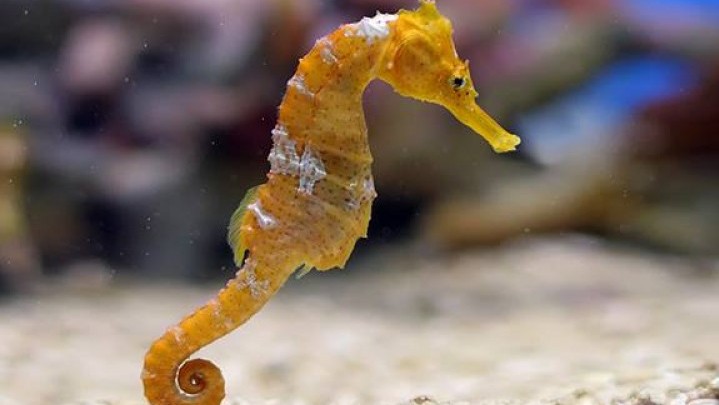
The Ingen’s Seahorse, Hippocampus ingens, is one of the largest of the seahorse species. In the wild, they spend most of their time hunting for tiny crustaceans to consume while using slow movements and camouflage to mimic their surroundings and appear invisible to predators. The Ingen’s Seahorse can be reddish to maroon, gray, yellow and gold with various shades of brown they may also have fine white markings which may run vertically down their body. Looking for the best food to feed your Seahorses? We recommend AlgaGen Tisbe biminiensis. These social fish thrive when kept as a mated pair or in small groups in a species-only aquarium. A medium aquarium is sufficient for a single pair. Add 20 gallons to the size of the aquarium for each additional pair. Spray bars may be used to create gentle flow while eliminating stagnant areas in the aquarium. Seahorses are not strong swimmers, preferring to use their prehensile tails to hitch to branching live rock, algae, or artificial decorations. Seahorses are less likely to contract Vibrio bacterial infections if the temperature is not allowed to exceed 74°F. This is particularly important if the aquarium contains other species of Syngnathids. It is also necessary to remove detritus and uneaten food daily. Calcium and alkalinity levels must be monitored and maintained to keep their bony plates healthy. They may be kept with small, shy fish such as small gobies, pipefish, dragonets, and firefish. But aggressive, territorial, or fast-moving fish do not make good companions. Seahorses will be harmed by anemones and corals with stinging tentacles or corals that are large enough to consume them, such as brain corals. While sea fans, Acropora corals, and other branching corals may be safe for seahorses, they can be irritated or damaged by a seahorse that continually hitches to them. Crabs and clams may pinch a seahorse causing a wound that could lead to secondary infections. Small ornamental crustaceans may be consumed by the seahorses. Avoid fish that will out-compete the seahorse for food. These captive-bred seahorses are accustomed to frozen Mysis shrimp, making them a smart alternative to their wild-caught counterparts. They will also feed on amphipods and other small crustaceans found in live rock. They will also accept vitamin-enriched adult brine shrimp, but this should not make up a majority of their diet. They are slow, deliberate feeders and prefer two or more small feedings per day. Seahorses are probably the most recognizable fish in the world due to their unusual appearance and habits. They are very social, curious fish that are fun to watch while they interact with their surroundings, each other, and even their owners.
All photos
Tap a photo to open the gallery viewer.